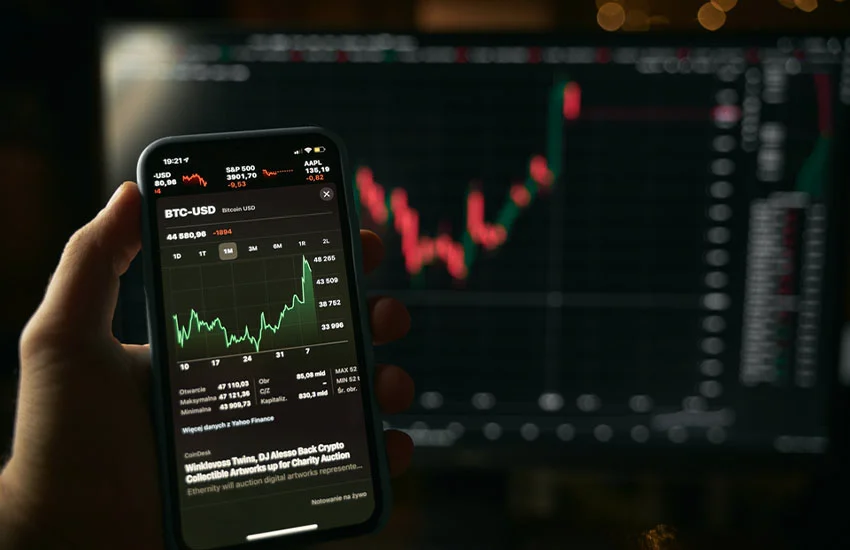




Bitcoin came under renewed selling pressure on Wednesday, October 7, falling around 1.5% to trade near $84,200 as escalating attacks on oil tankers linked to Iran pushed crude prices higher and strengthened the U.S. dollar.
Bitcoin briefly dipped below the closely watched $84,000 level during the session before recovering above it. The move came as rising oil prices, higher Treasury yields and a stronger dollar added pressure to risk-sensitive assets, including cryptocurrencies.
The broader crypto market also moved lower. Dogecoin (DOGE) declined about 5% to around $0.09, while Hyperliquid (HYPE) dropped nearly 4%. Ethereum (ETH) fell around 3.5% to approximately $2,610, while XRP lost close to 3%. BNB, Solana (SOL), Zcash (ZEC), and TRON (TRX) also recorded declines.
The latest Bitcoin weakness came as geopolitical tensions pushed energy markets higher.
Brent crude climbed almost 1% to around $101.50 per barrel as attacks on tankers in the Strait of Hormuz intensified. Higher oil prices can add to inflation concerns, potentially complicating expectations for future Federal Reserve policy.
At the same time, the U.S. dollar strengthened against all Group-of-10 currencies, while the 10-year U.S. Treasury yield rose three basis points to approximately 5.31%.
These moves matter for Bitcoin because cryptocurrencies are generally considered risk-sensitive assets. When investors become more defensive and yields or the dollar rise, capital can rotate toward traditional safe-haven or income-generating assets, reducing demand for speculative assets such as cryptocurrencies.
Fed minutes could trigger more volatility
Another major catalyst for markets is the release of minutes from the Federal Reserve's September meeting. The Fed had raised interest rates by 25 basis points at that meeting. However, weaker employment data has reduced expectations for another immediate rate increase.
Markets will therefore focus on whether the minutes suggest policymakers are becoming more patient or remain concerned about inflation and the possibility of another rate increase before the end of the year.
For Bitcoin, the distinction is important. A more dovish Fed could support risk assets by easing financial conditions, while a more hawkish tone could strengthen the dollar and Treasury yields and create additional pressure on BTC.
The Fed minutes and movements in oil, the dollar, and Treasury yields could also determine whether Bitcoin's weakness develops into a deeper correction or remains a short-term pullback. For traders, understanding these cross-market relationships is crucial because Bitcoin can react sharply when macroeconomic expectations change.
Risk Warning: Leveraged products carry a high level of risk and may result in the loss of all your capital. Ensure you fully understand the risks before investing.